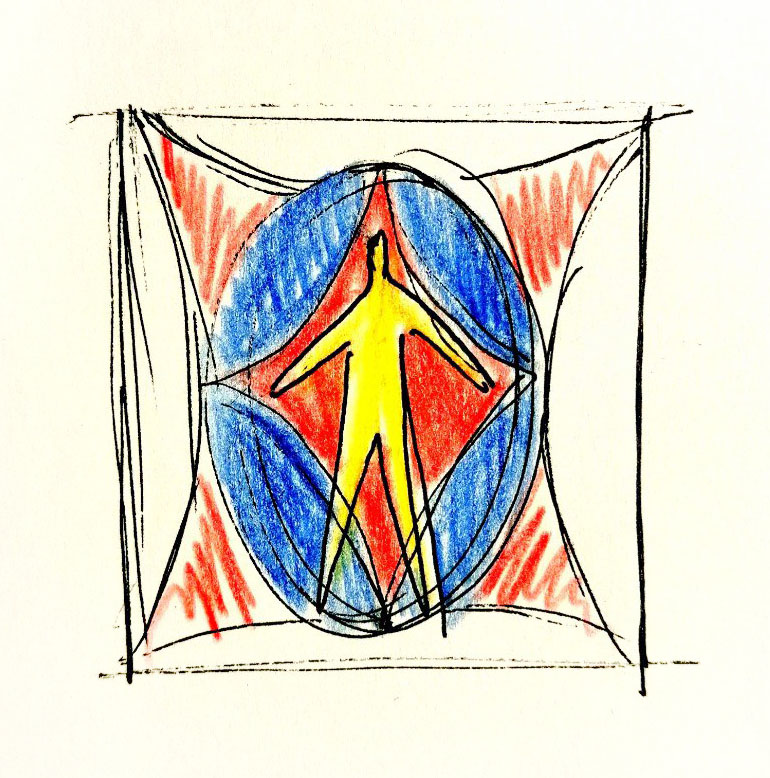
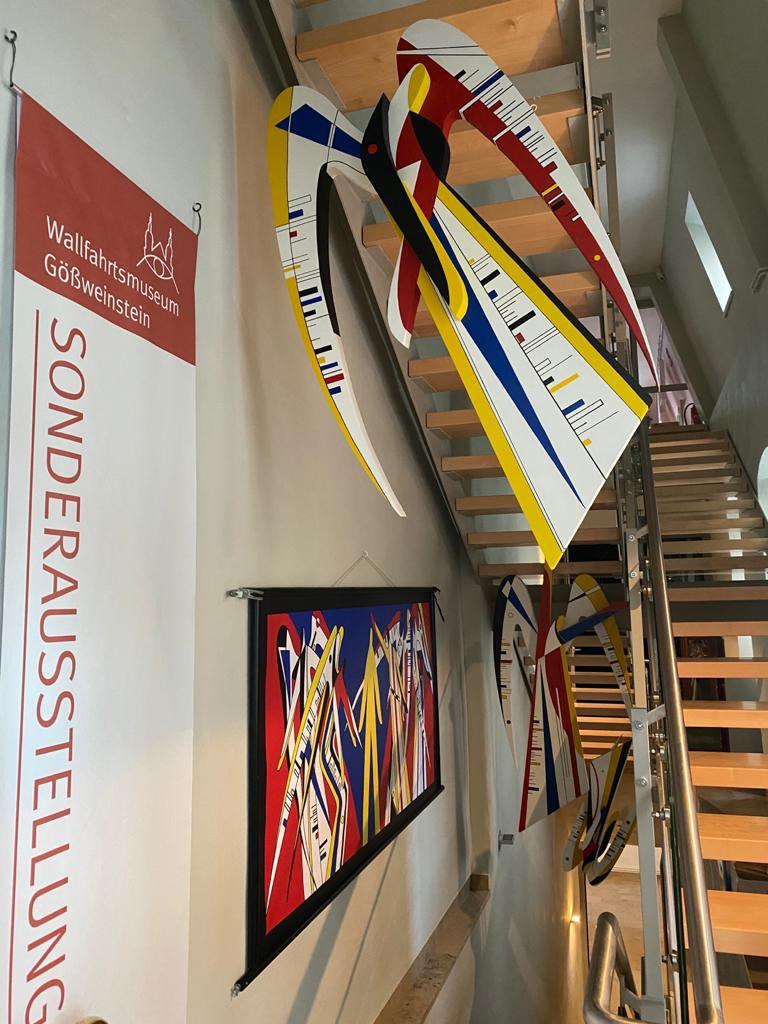
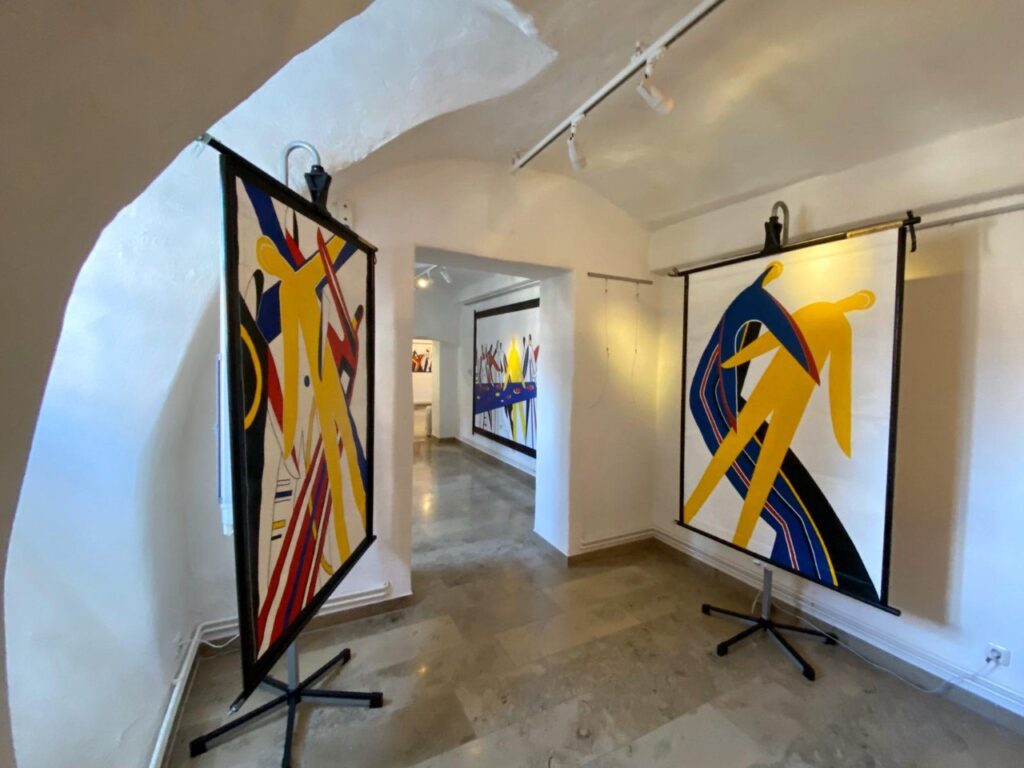
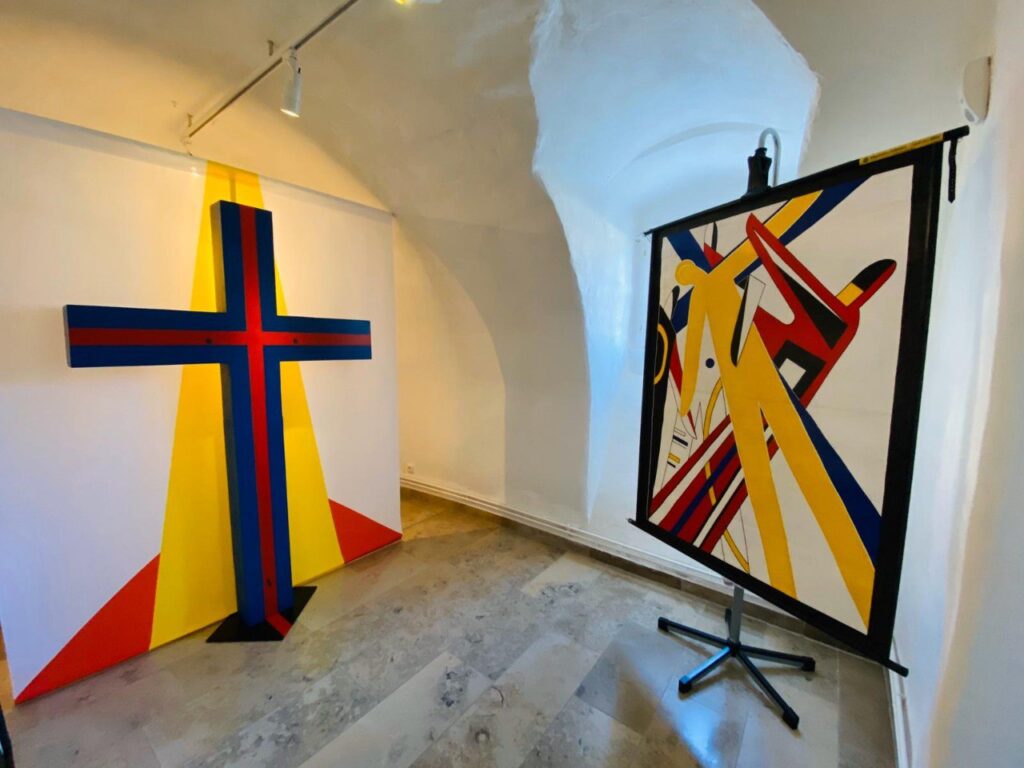
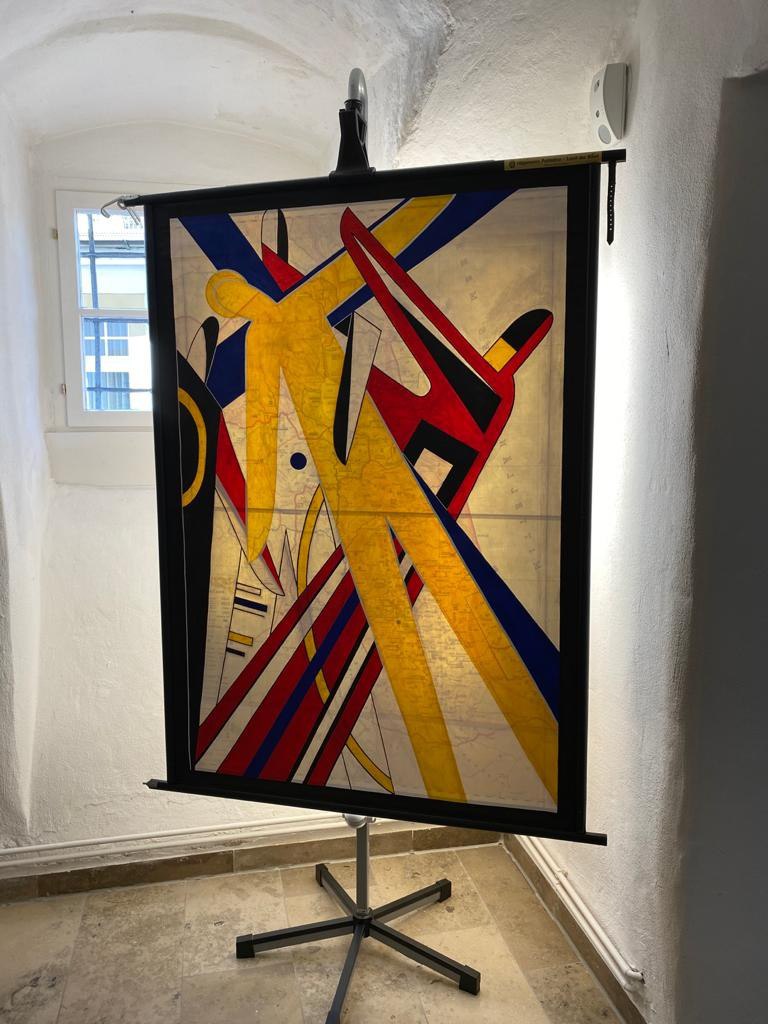
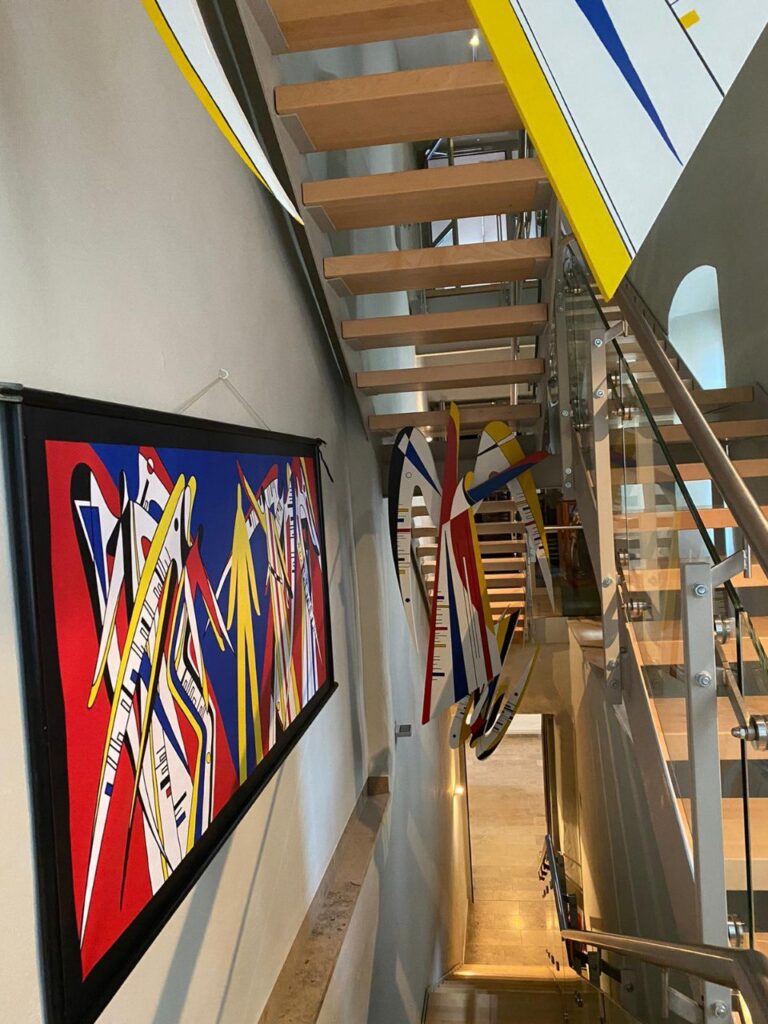
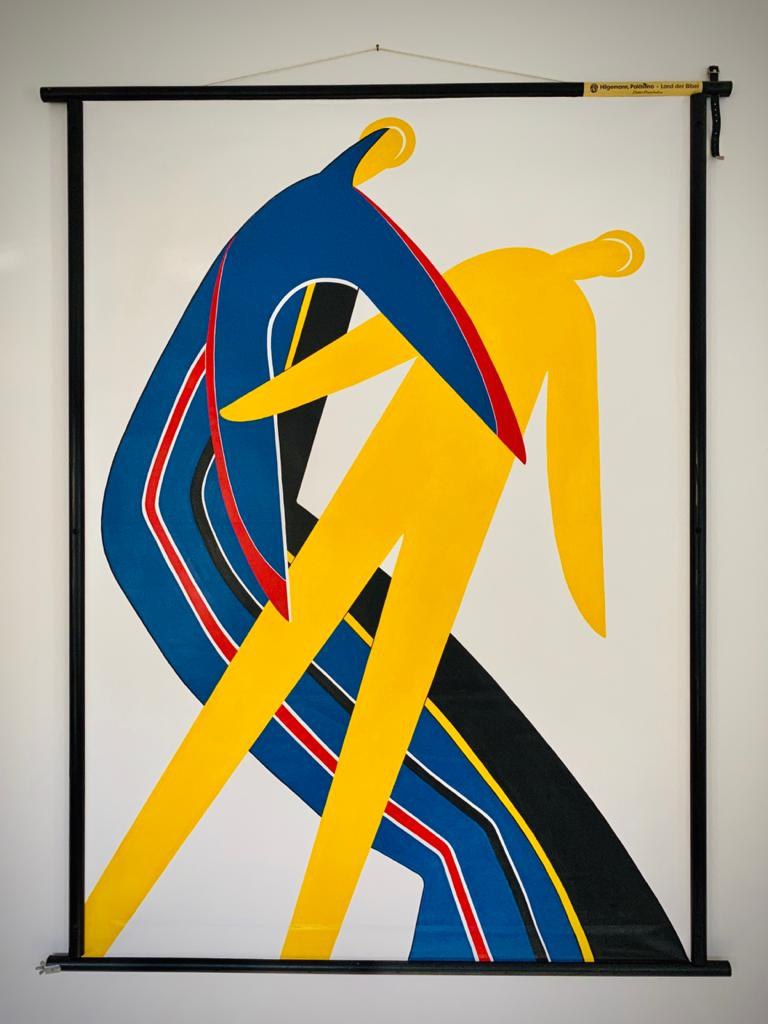
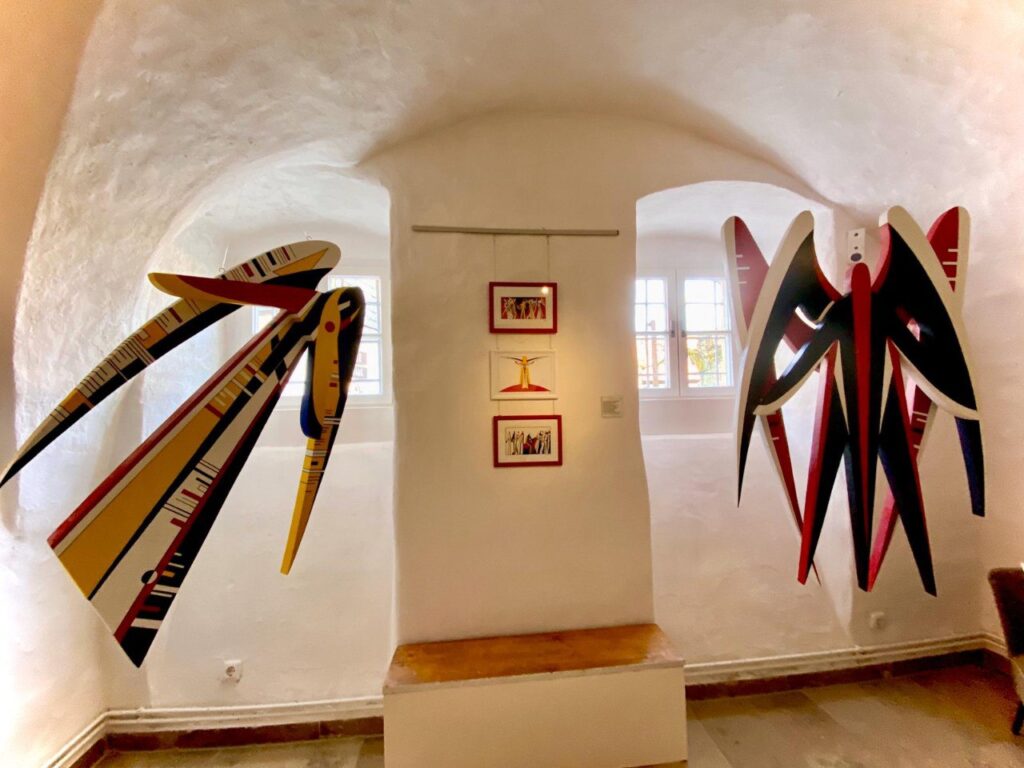
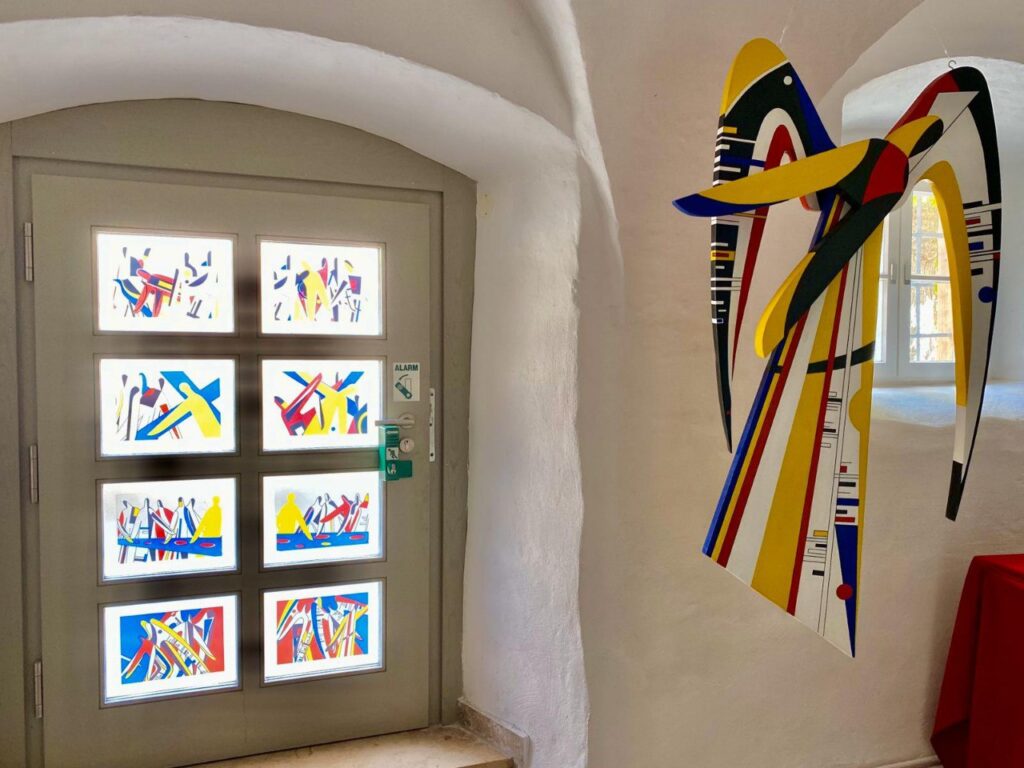
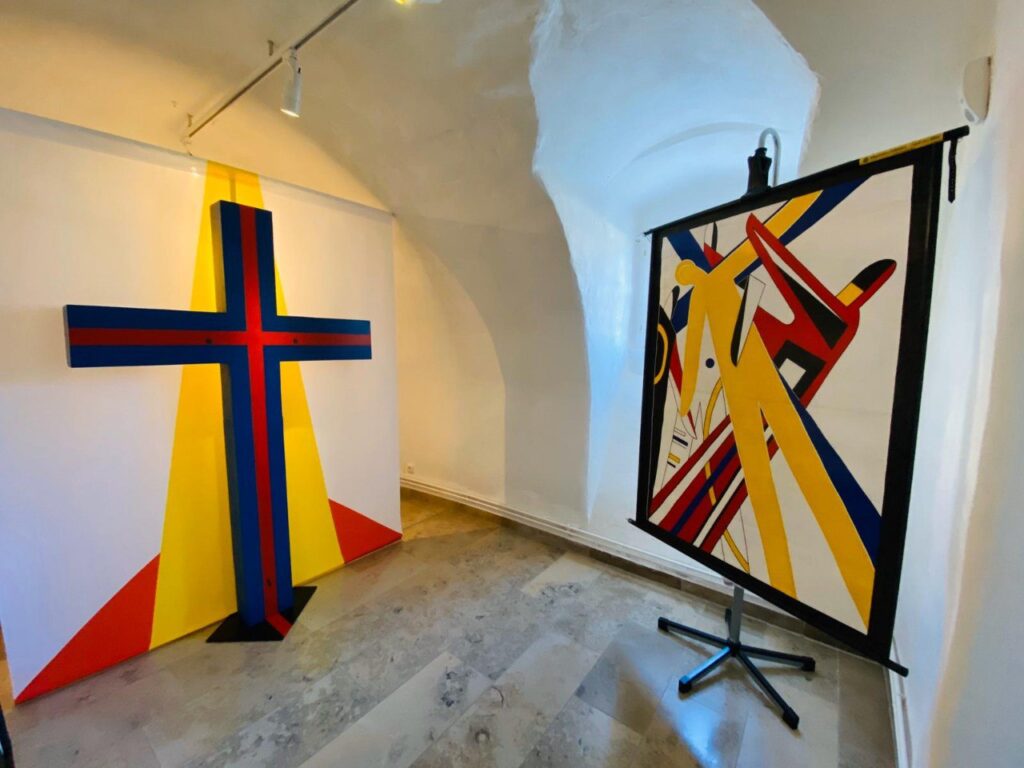
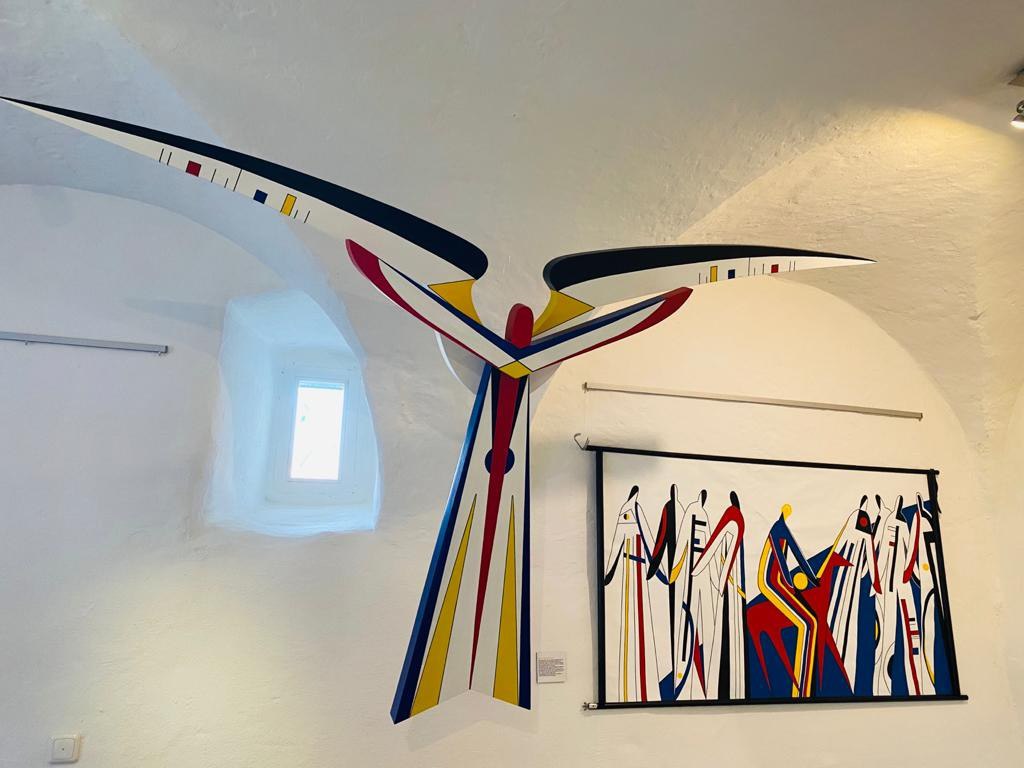
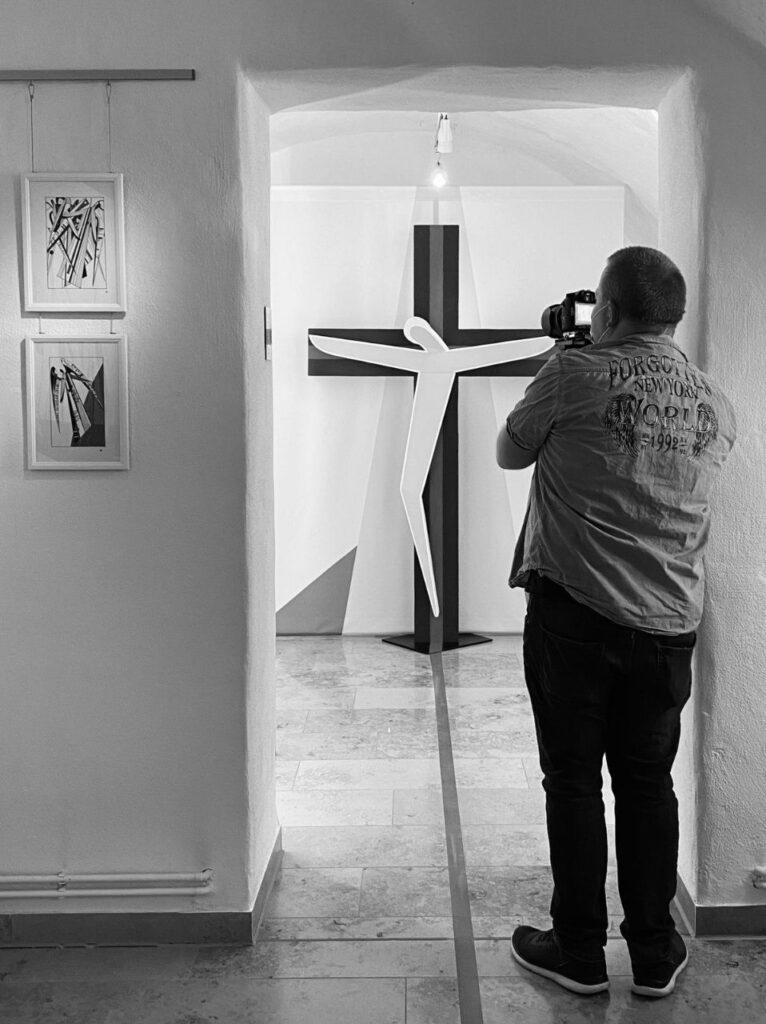
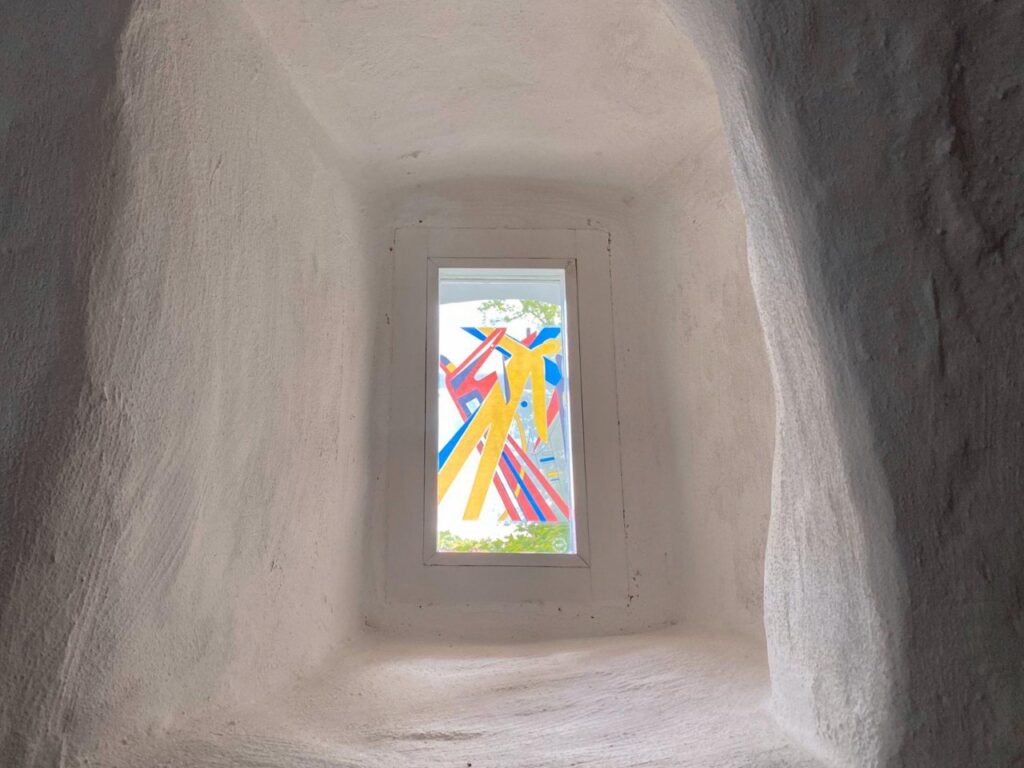
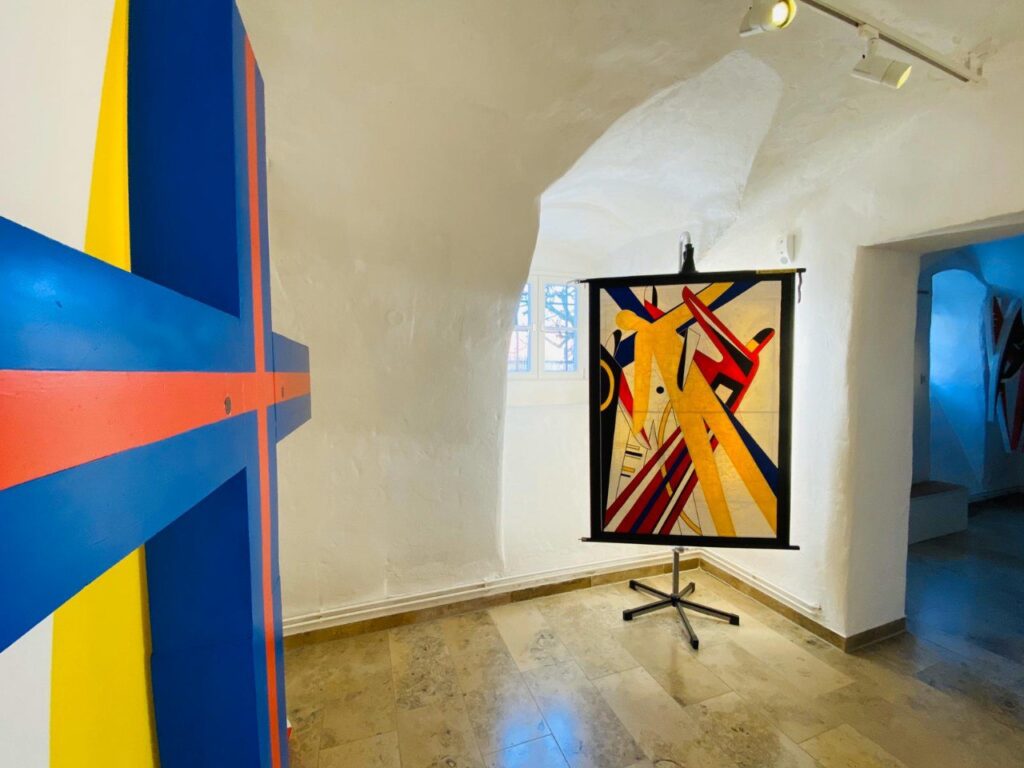
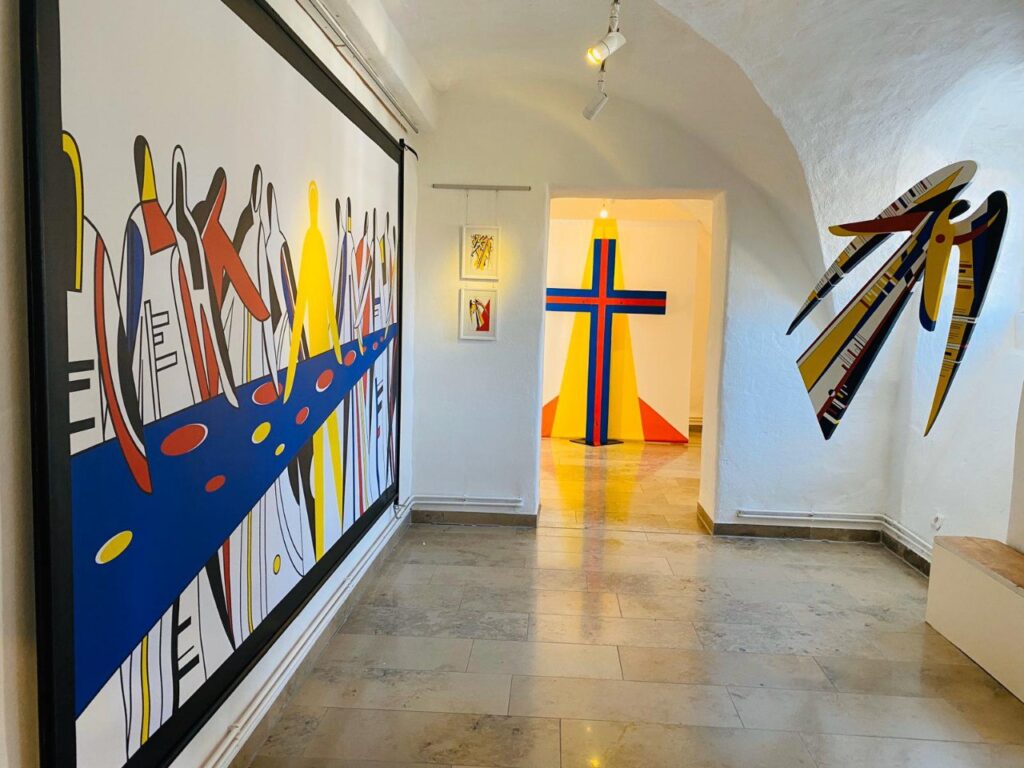
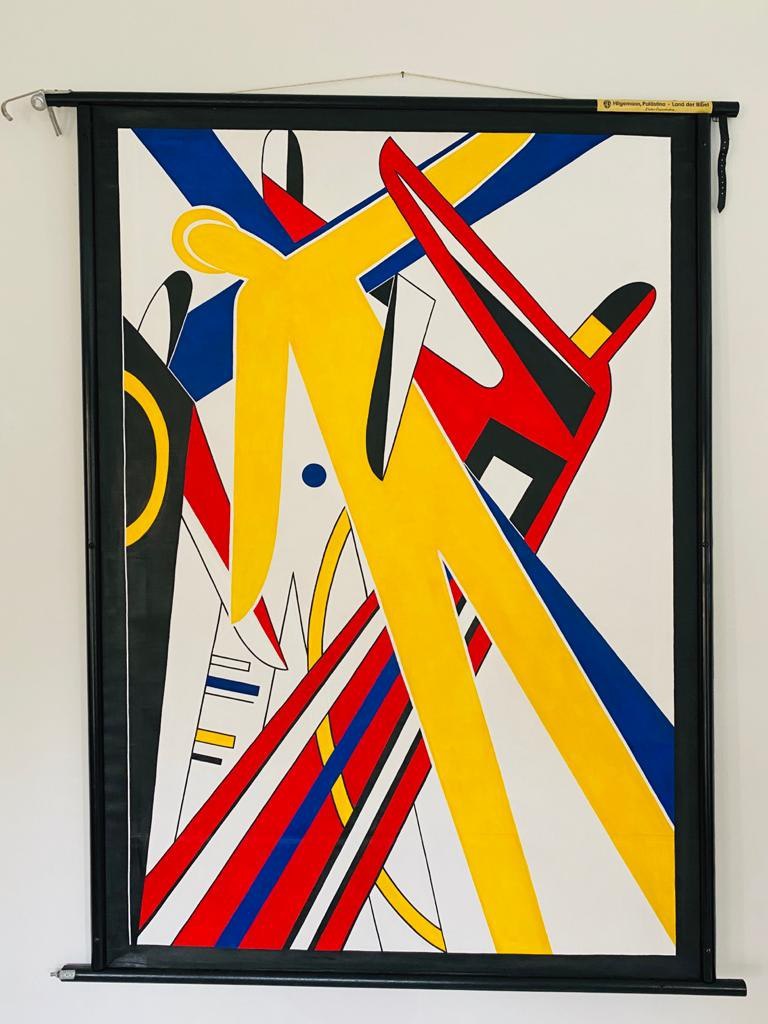
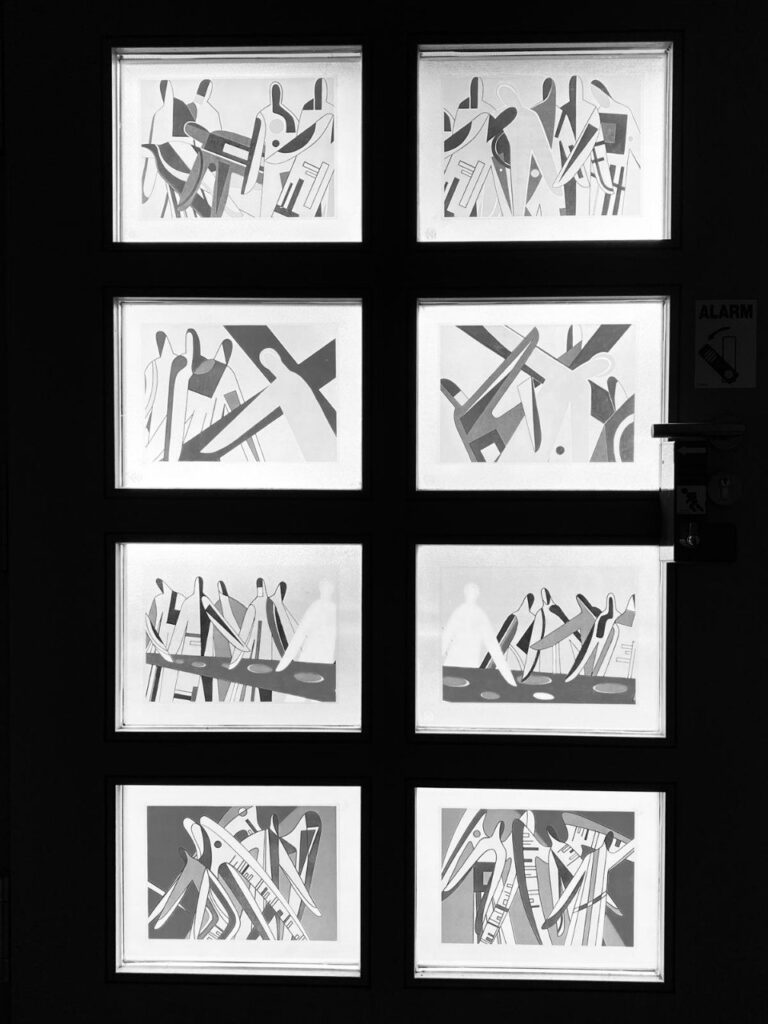
The project dedicated to the theme of Christ’s Passion represents a spatial ensemble of various objects: sculptures, paintings, stained glass, and graphics. It is an artistic statement by a contemporary young artist, for whom the religious theme is not the leading or only one. For several years, the sculptor has been working on a theme that may seem directly opposite to the theme of the I.N.R.I. project — the circus theme. However, paradoxically, it is precisely from this theme that the I.N.R.I. project crystallized.
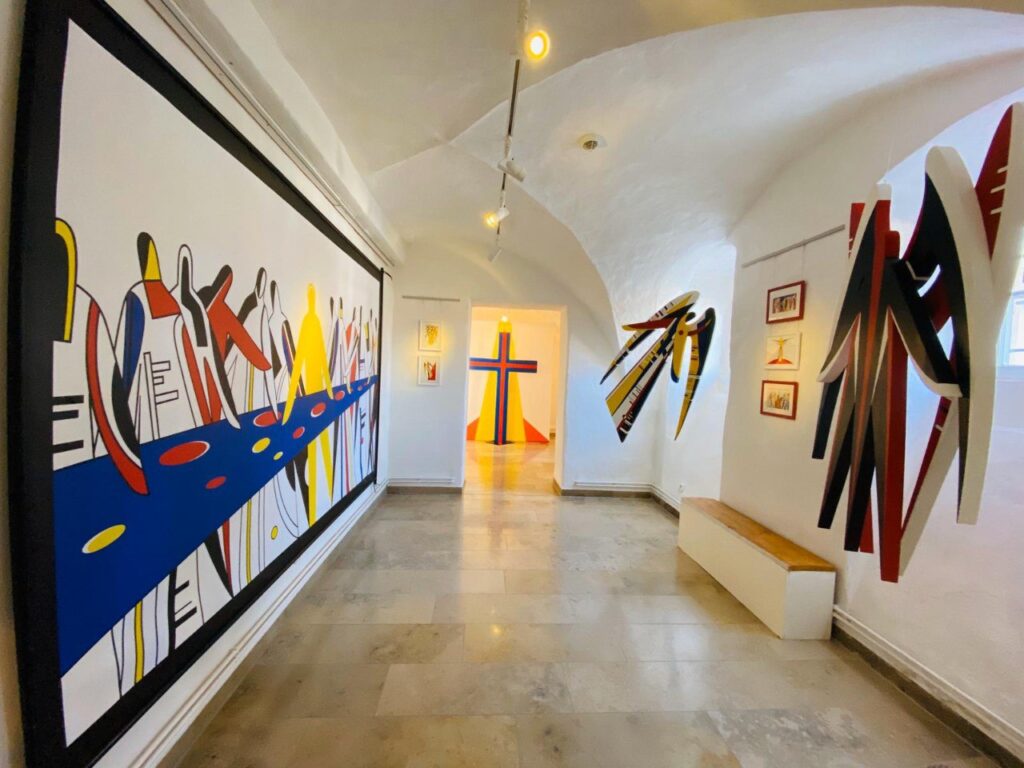
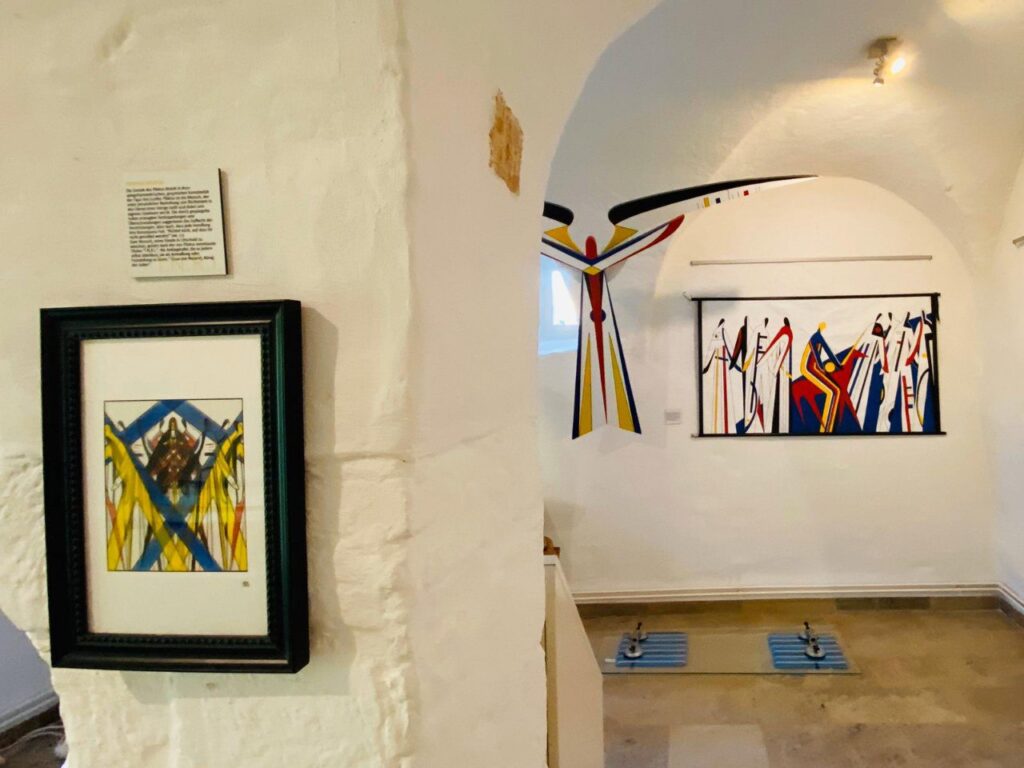
The Valpharz Museum is located in the main city basilica building. Its exhibition halls’ interior remotely resemble ancient Russian chambers with vaulted ceilings. The museum’s space dictated the placement of works and influenced the sculpture’s plasticity. The interior of the halls determined the size of the project’s representational elements, although the graphic design remained unchanged. Each graphic work is a transitional element in the project, later realized in painting and sculpture. The project took two and a half years to complete.
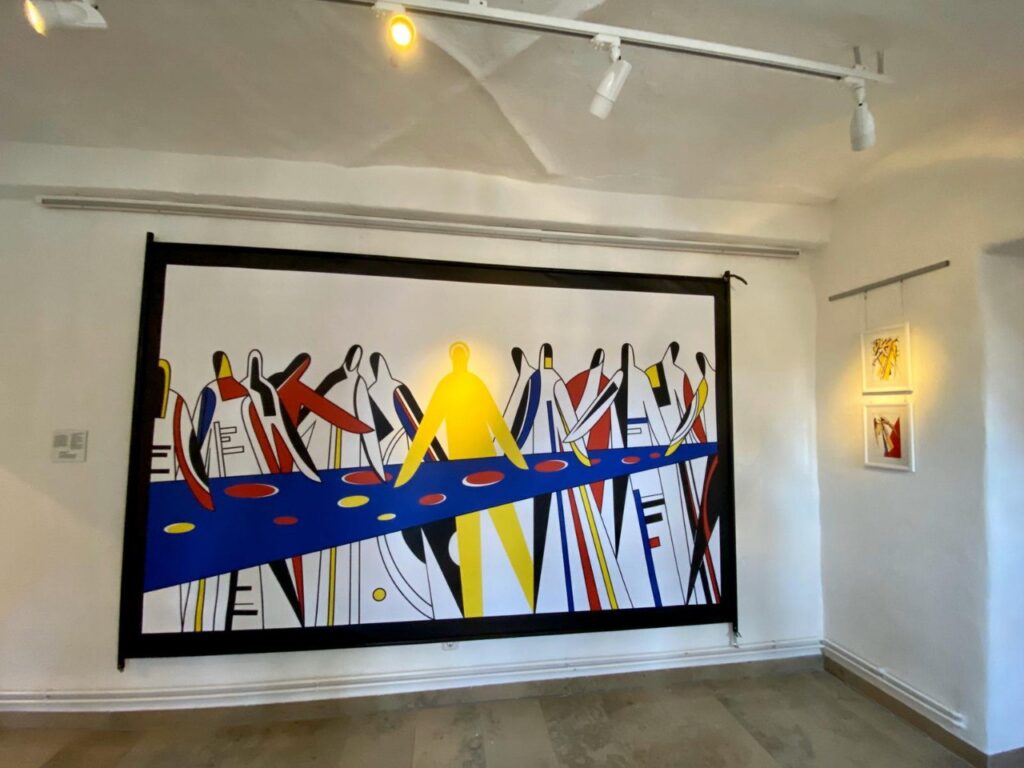
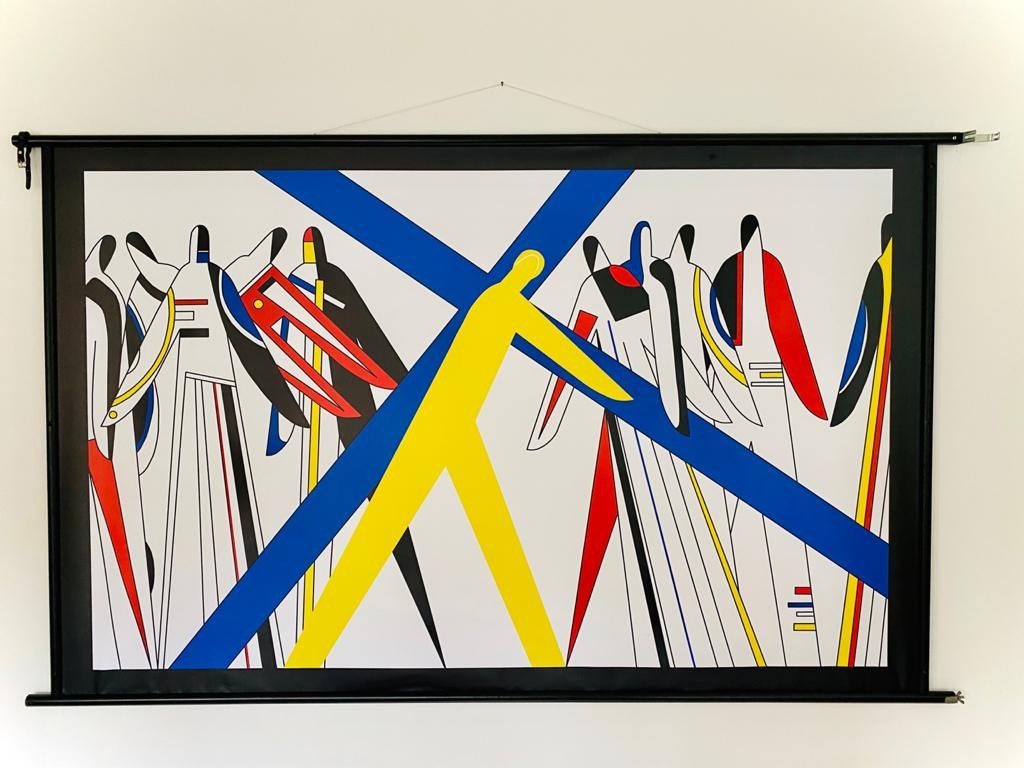
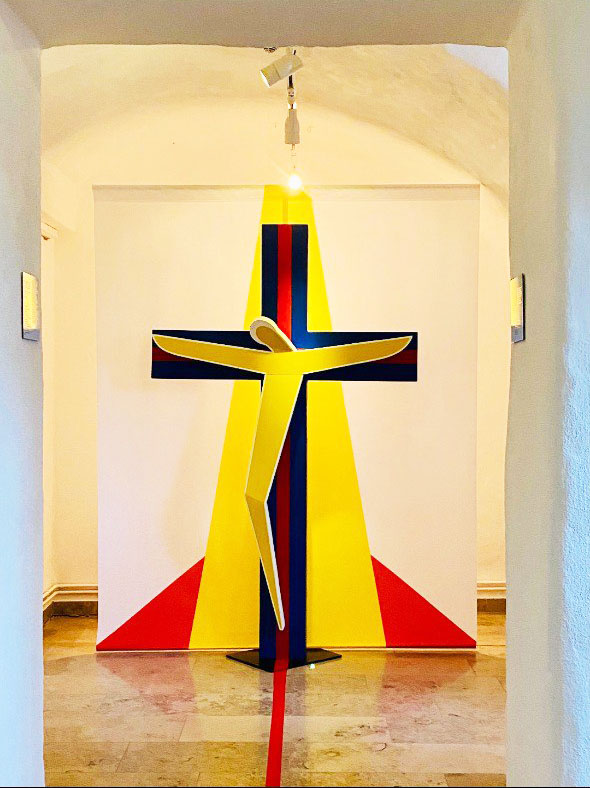
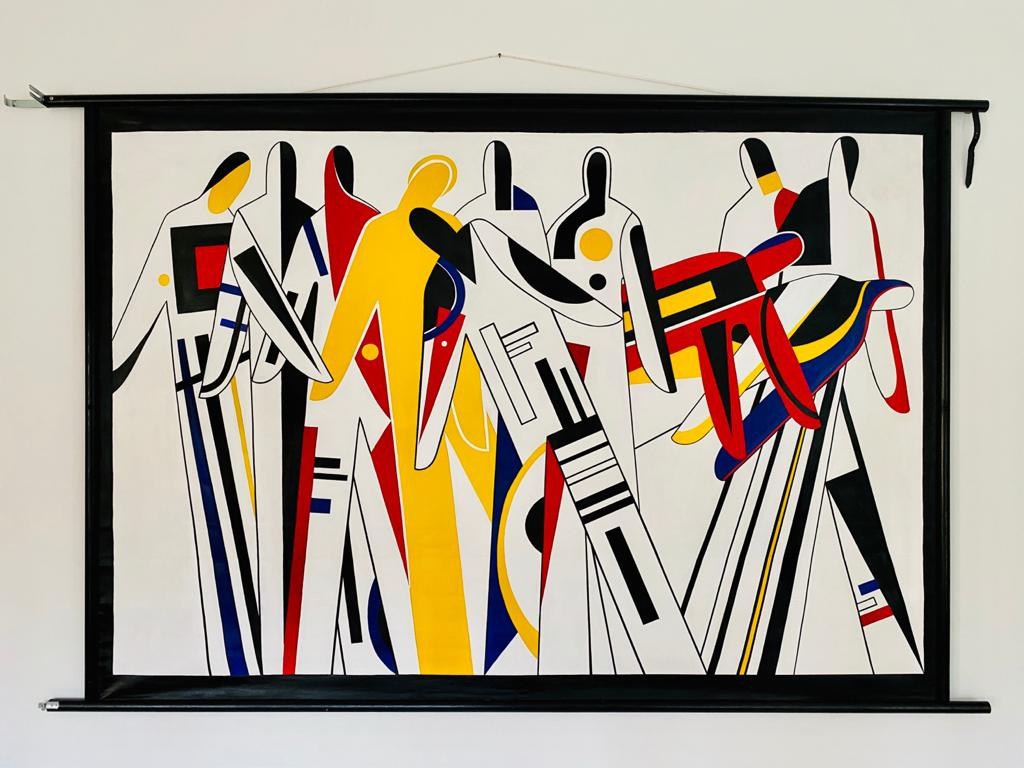
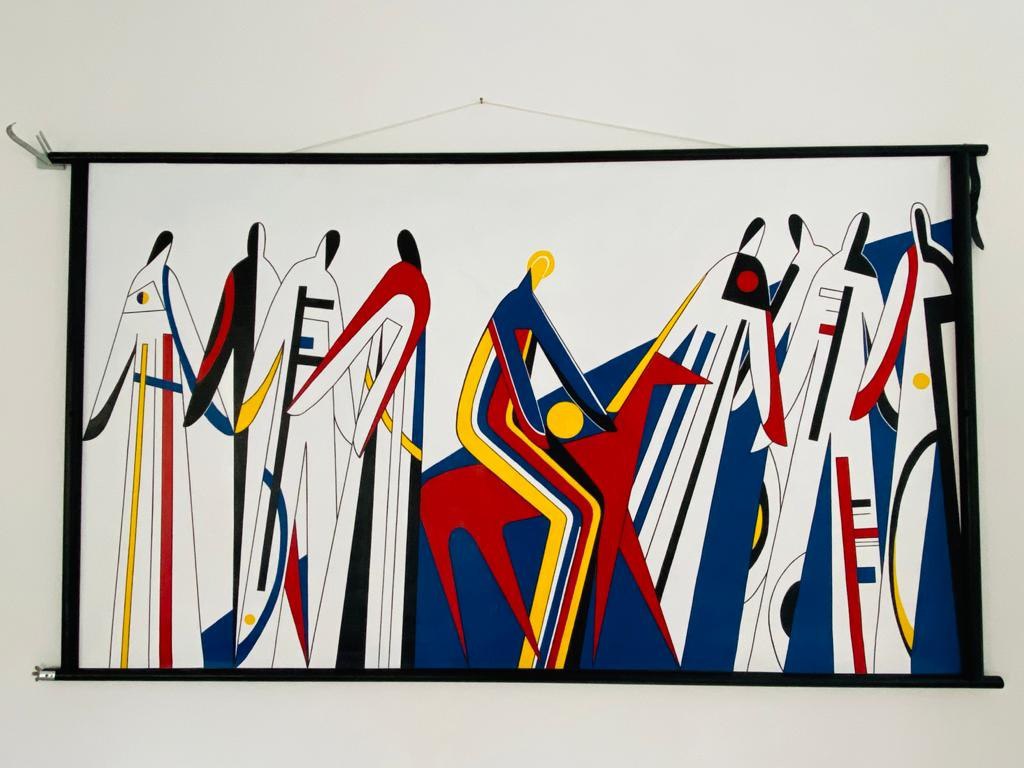
The project evolves in movement, and the arrangement of its parts recreates the earthly life of the Savior and its finale — the Passion cycle. It includes Baptism, Entry into Jerusalem, the Last Supper, Judas’ Kiss, Carrying the Cross, Descent from the Cross, Lamentation, and Crucifixion. The Crucifixion is placed at the end of the hall, in a niche, and is the culmination of Christ’s Passion. It combines elements of volumetric sculptural form and representational elements. The motif of the path, movement — is the basis of the Catholic perception of the events of the Gospel, deeply rooted in Western European culture and determining the architecture of Catholic basilica-type temples, with a prevailing movement from the entrance to the altar inside the space.